
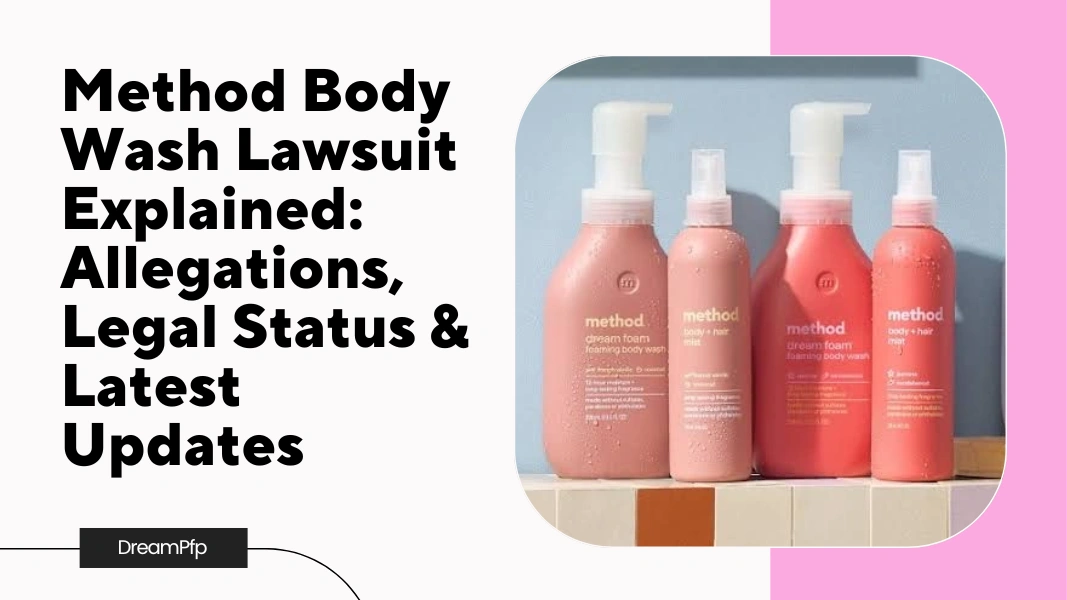
Method is a popular personal care brand known for its body washes, hand soaps, and other household products. Searches for a Method Body Wash Lawsuit have increased as some consumers look for information about product safety concerns, complaints, and whether any legal action has been taken.
Many people searching this topic want to know if a lawsuit has been filed, whether there is a settlement available, and what claims or issues have been reported by customers. Questions about ingredients, allergic reactions, product recalls, and consumer rights are also commonly discussed online.
This article explains the current legal status, reported consumer concerns, possible reasons behind cosmetic lawsuits, and how product liability cases generally work. It separates confirmed information from online claims so consumers can better understand the situation.
Why Are People Searching for a Method Body Wash Lawsuit?
Searches related to a Method Body Wash Lawsuit are often connected to consumer concerns about personal care products and their potential effects on skin health. Body wash products are used regularly, which makes customers pay close attention to ingredients, reactions, and product quality.
Some consumers report experiences such as skin irritation, dryness, or sensitivity after using certain personal care products. However, an individual reaction does not automatically mean that a product is defective or that a company has violated consumer protection laws.
The interest around this topic is also driven by broader awareness of cosmetic lawsuits involving ingredients, labeling practices, and advertising claims. Consumers often search legal terms after seeing online discussions, reviews, or social media posts.
A lawsuit can only be confirmed through official court records, company statements, or reliable legal sources. Online complaints alone do not establish that a legal case exists or that a company has legal responsibility.
Has a Method Body Wash Lawsuit Actually Been Filed?
Based on publicly available information, there is no confirmed widely reported class action lawsuit specifically involving Method Body Wash. While consumers may discuss concerns online, complaints and negative reviews are different from formal legal proceedings.
A product liability lawsuit usually requires a consumer or group of consumers to file legal claims supported by evidence. These cases may involve allegations such as defective products, inadequate warnings, misleading marketing, or failure to meet safety expectations.
The current status of any potential claim can change if new legal filings become available. Consumers should check official court records or trusted legal sources for updates rather than relying only on online discussions.
| Issue | Current Status |
|---|---|
| Method Body Wash Lawsuit | No confirmed major lawsuit publicly identified |
| Consumer Complaints | Online reports may exist |
| Settlement | No confirmed settlement announced |
| Claim Form | No official claim process available |
What Sparked Consumer Concerns About Method Body Wash?
Consumer concerns about personal care products usually develop from individual experiences, ingredient discussions, or questions about product transparency. Method Body Wash has received attention from some shoppers who research ingredients and customer feedback before purchasing.
Negative reviews or personal reactions can encourage people to investigate whether similar problems have been reported by others. However, consumer experiences can vary widely because skin sensitivity depends on factors such as individual allergies, skin type, and product usage.
Some common areas that attract attention include fragrance ingredients, preservatives, and cleansing agents. These components are widely used in personal care products but may cause reactions for certain individuals.
Understanding these concerns requires separating customer experiences from legal claims. A complaint may highlight a personal issue, but a lawsuit requires additional evidence and legal evaluation.
Skin Sensitivity Reports
Some consumers discuss experiencing dryness, irritation, redness, or discomfort after using different body wash products. These reports are generally based on personal experiences shared through reviews, forums, or social media platforms.
Skin reactions can happen for many reasons, including allergies, sensitivity to certain ingredients, overuse of cleansing products, or interactions with other skincare products. A reported reaction does not automatically prove that a product is unsafe for all users.
In legal cases involving cosmetics, experts usually examine whether the product contained harmful substances, whether proper warnings were provided, and whether the manufacturer followed applicable safety standards.
Fragrance-Related Concerns
Fragrance is one of the most frequently discussed topics in cosmetic product reviews. Some consumers prefer fragrance-free products because certain fragrance components may cause sensitivity for people with specific skin conditions.
Method Body Wash products include scented varieties, which attract customers looking for a particular experience. At the same time, fragrance ingredients are commonly reviewed by consumers who are concerned about possible irritation.
A fragrance concern alone does not establish legal wrongdoing. Regulatory agencies and courts typically require scientific evidence and documented claims before determining whether a product presents a legal issue.
Ingredient Awareness
Modern consumers increasingly research product labels and ingredient lists before purchasing personal care items. This increased awareness has led many shoppers to question the purpose and safety of different ingredients.
Ingredients such as cleansing agents, preservatives, and botanical extracts are often discussed in online communities. Consumers may search for legal information when they believe an ingredient was not properly disclosed or when they experience an unexpected reaction.
However, the presence of an ingredient does not necessarily mean that a product is dangerous. Legal claims usually depend on factors such as concentration levels, scientific evidence, labeling accuracy, and applicable regulations.
Were There Any Method Body Wash Lawsuits in 2022?
Searches for “Method Body Wash lawsuit 2022” likely increased because consumers often associate product complaints with legal action during a particular year. However, based on publicly available information, there was no widely reported or confirmed lawsuit filed against Method Body Wash in 2022 that resulted in major litigation or a class action.
That does not mean consumers never reported concerns. Cosmetic products frequently receive customer complaints involving irritation, allergies, packaging, or performance. Most of these reports remain individual experiences rather than developing into formal legal cases.
Legal action generally requires more than isolated complaints. Attorneys typically look for evidence showing that multiple consumers suffered similar injuries caused by the same product and that the manufacturer may have breached a legal duty.
Consumers researching older claims should verify information through court records, regulatory announcements, or official company communications rather than relying solely on blogs or social media discussions.
Have There Been Any Product Recalls?
At the time of writing, there is no widely reported nationwide recall specifically involving Method Body Wash issued by U.S. regulators.
Product recalls are generally announced when manufacturers or government agencies identify issues that could affect consumer health or product safety. A recall may be voluntary or ordered by regulatory authorities depending on the circumstances.
Common reasons cosmetic products may be recalled include:
- Microbial contamination
- Incorrect labeling
- Undisclosed ingredients
- Manufacturing defects
- Packaging problems affecting product safety
The absence of a recall does not necessarily mean a product has never received complaints. Likewise, consumer complaints alone do not automatically result in a recall.
Consumers concerned about product safety should monitor official recall databases and manufacturer announcements for the latest information.
What Types of Claims Could Lead to a Cosmetic Lawsuit?
Cosmetic lawsuits typically focus on whether a manufacturer failed to meet legal obligations regarding product safety, labeling, marketing, or manufacturing quality. Courts evaluate each claim based on evidence rather than online discussions or isolated reports.
The specific legal theories vary from case to case, but several types of allegations commonly appear in cosmetic product litigation.
Product Safety Issues
One of the most common allegations involves claims that a cosmetic product caused unexpected injuries or health problems during normal use.
Potential safety-related allegations may include:
- Serious skin irritation
- Chemical burns
- Allergic reactions
- Long-term skin damage
- Contamination concerns
To succeed in court, plaintiffs generally need medical evidence showing that the product likely caused the reported injuries.
Failure to Warn Consumers
Manufacturers are generally expected to provide appropriate warnings when known risks may affect certain users.
A lawsuit could allege that warning labels were incomplete or failed to explain potential risks associated with particular ingredients or product use.
Courts often consider whether reasonable consumers received enough information to make informed purchasing decisions.
False Advertising Claims
Advertising-related lawsuits usually focus on whether marketing statements accurately describe a product.
Consumers may challenge claims involving:
- “Natural” or “clean” marketing
- Product performance
- Safety representations
- Ingredient-related advertising
- Environmental claims
A successful false advertising claim generally requires evidence that consumers were misled and suffered measurable harm.
Ingredient Disclosure Concerns
Consumers increasingly expect complete and accurate ingredient labeling on personal care products.
Legal disputes may arise if plaintiffs believe ingredients were omitted, inaccurately described, or presented in a misleading manner. Courts evaluate whether any labeling violated applicable consumer protection or cosmetic regulations.
Ingredient transparency has become a significant focus within the beauty and personal care industry, making accurate disclosures increasingly important.
Manufacturing Problems
Manufacturing-related lawsuits usually involve claims that something went wrong during production rather than problems with the product’s intended formula.
Examples may include:
- Contaminated batches
- Packaging defects
- Improper storage
- Quality control failures
- Inconsistent formulations
Evidence from inspections, laboratory testing, and manufacturing records often plays an important role in these cases.
Understanding Consumer Reviews and Complaints
Consumer reviews provide useful insight into how people experience a product, but they should be interpreted carefully. Positive and negative reviews often reflect individual preferences, skin types, expectations, and personal sensitivities rather than objective proof of a defect.
When evaluating reviews of Method Body Wash, it is helpful to look for consistent patterns instead of focusing on isolated comments. A handful of complaints does not necessarily indicate a widespread safety problem, particularly when thousands of consumers have used the product without reporting similar issues.
Consumers should also recognize that online reviews are not independently verified in most cases. Some reviews may lack important context, while others describe reactions caused by unrelated factors such as pre-existing skin conditions or interactions with other skincare products.
Regulators and courts rely on scientific evidence, expert testimony, and documented investigations rather than review ratings alone when determining whether a product presents a legal or safety concern.
Do Individual Allergic Reactions Mean a Product Is Defective?
Not necessarily. An allergic reaction does not automatically mean that a cosmetic product is defective or legally unsafe.
People respond differently to skincare ingredients because of differences in skin type, allergies, immune responses, and existing medical conditions. An ingredient that is well tolerated by most users may still trigger irritation or allergic reactions in sensitive individuals.
From a legal perspective, product liability generally requires evidence that the product was unreasonably dangerous, improperly manufactured, or sold without adequate warnings. Individual reactions alone usually do not satisfy these legal requirements.
Consumers who experience unexpected symptoms after using a body wash should discontinue use, document their symptoms, retain the product if possible, and seek medical advice when appropriate. These steps can also help if future safety investigations or legal claims arise.
What Ingredients Do Consumers Commonly Research?
Consumers today often review ingredient labels before buying personal care products. Interest in ingredient safety has grown as shoppers become more informed about skincare, allergies, and product formulations.
Many of the ingredients found in body washes serve important purposes, such as cleansing, preserving freshness, adding fragrance, or moisturizing the skin. Their presence alone does not indicate that a product is unsafe.
Below are some of the ingredient categories consumers frequently research when evaluating body wash products like Method.
Surfactants
Surfactants are cleansing agents that remove dirt, sweat, and oil from the skin. Nearly every body wash contains one or more surfactants because they allow water to mix with oils and rinse them away effectively.
Consumers often compare different surfactants based on how gentle they are and whether they may contribute to dryness or irritation. Product formulas vary, so one cleanser may work well for one person but not another.
When reviewing ingredient lists, shoppers frequently research how specific surfactants perform on sensitive skin rather than assuming all cleansing agents carry the same level of risk.
Preservatives
Preservatives help prevent bacteria, mold, and other microorganisms from growing inside cosmetic products after they are opened.
Without preservatives, many body washes would have significantly shorter shelf lives and could become unsafe during normal consumer use.
Some consumers research preservatives because certain individuals may have sensitivities to particular ingredients. However, cosmetic preservatives used in regulated markets are generally evaluated for safety within approved usage limits.
Fragrance Components
Fragrance ingredients are among the most commonly researched cosmetic ingredients because they can affect users differently.
Some consumers prefer scented products for their overall experience, while others intentionally choose fragrance-free alternatives due to allergies or sensitive skin.
Fragrance-related discussions online often involve:
- Possible skin irritation
- Allergic reactions
- Artificial versus natural fragrances
- Long-lasting scents
- Ingredient transparency
The existence of fragrance ingredients does not automatically suggest a safety concern. Individual tolerance varies considerably.
Botanical Extracts
Many modern body washes contain plant-based extracts intended to enhance the product’s feel or skincare benefits.
Consumers often research botanical ingredients such as aloe, coconut-derived ingredients, chamomile, cucumber, or green tea extracts to understand their potential benefits and possible sensitivities.
Although botanical ingredients are generally viewed positively, natural ingredients can also trigger allergic reactions in some individuals. “Natural” does not necessarily mean risk-free for every user.
Moisturizing Agents
Moisturizing ingredients help reduce dryness by supporting the skin’s natural moisture barrier during cleansing.
Common moisturizing agents may include:
- Glycerin
- Plant-derived oils
- Shea butter
- Aloe-based ingredients
- Humectants
Consumers with dry or sensitive skin often compare these ingredients when selecting a body wash. These components are generally intended to improve skin hydration rather than increase irritation.
How Product Liability Cases Usually Develop
Product liability lawsuits typically follow a structured legal process rather than beginning immediately after a consumer files a complaint. Attorneys, investigators, regulators, and scientific experts may all become involved before litigation proceeds.
Each case is evaluated on its own facts, and many consumer complaints never result in formal legal action. The following stages illustrate how cosmetic product liability cases often develop.
Consumer Complaints
Many product liability matters begin when consumers report injuries or unexpected product performance.
Complaints may be submitted through:
- Customer service channels
- Government agencies
- Healthcare providers
- Consumer review platforms
- Attorneys
While these reports may identify potential concerns, they are only the starting point of a possible legal investigation.
Investigation Process
If multiple complaints raise similar concerns, attorneys or regulatory authorities may begin investigating the circumstances.
The investigation may involve reviewing:
- Medical records
- Product samples
- Manufacturing information
- Consumer statements
- Expert opinions
The purpose is to determine whether there is enough evidence to justify further legal action.
Scientific Review
Scientific evidence plays a critical role in cosmetic product litigation.
Experts may evaluate whether a product’s ingredients, manufacturing process, or labeling could reasonably have contributed to the reported injuries.
Laboratory testing, toxicology studies, dermatological evaluations, and regulatory standards often become important sources of evidence during this stage.
Filing of Claims
If investigators conclude that sufficient evidence exists, one or more plaintiffs may file legal claims in court.
Depending on the circumstances, the case may involve:
- Individual lawsuits
- Multiple plaintiffs
- Consolidated litigation
- Proposed class actions
At this stage, allegations remain claims until they are evaluated through the legal process.
Court Proceedings
Once a lawsuit is filed, both parties have the opportunity to present evidence and legal arguments.
Court proceedings may include:
- Discovery
- Expert testimony
- Motions filed by both sides
- Settlement discussions
- Trial, if necessary
Some cases are dismissed, some settle before trial, and others proceed to a final court decision depending on the available evidence.
Is There a Method Body Wash Settlement or Payout?
At this time, there is no confirmed publicly announced settlement or payout specifically related to Method Body Wash.
Settlement funds generally become available only after litigation reaches an agreement or a court approves compensation. Since no widely reported lawsuit has resulted in such an outcome, there is currently no official compensation program or claim form associated with Method Body Wash.
Consumers should be cautious when encountering websites or social media posts claiming that settlement money is available without verification. Fraudulent claims occasionally appear online following rumors about popular consumer products.
If a legitimate settlement were ever approved, information would typically be published through court records, official settlement websites, or announcements from the parties involved.
How Do Method Cleaning Products Relate to Body Wash?
Method is widely recognized for producing both household cleaning products and personal care products, but these product lines serve different purposes and are subject to different formulation requirements.
Cleaning products are designed for household surfaces, while Method Body Wash is formulated for use on human skin. Although they share the same brand name, they are developed under separate product categories with different ingredients, testing considerations, and regulatory expectations.
Some online searches combine information about Method cleaning products with Method Body Wash, which can create confusion. A concern or discussion involving one product category does not automatically apply to another.
Consumers should always verify that information they read specifically relates to the product they use rather than assuming all products under the same brand are connected.
Why Do Searches Mention Discontinued Method Products?
Search engines often associate discontinued products with legal questions because consumers look for explanations when an item is no longer available.
However, products can be discontinued for many legitimate business reasons, including:
- Changes in consumer demand
- Product reformulation
- Packaging updates
- Inventory management
- Marketing strategy changes
A discontinued product does not necessarily indicate that it was recalled or involved in litigation.
In some cases, outdated articles, forum discussions, or social media posts continue appearing in search results long after a product has left the market. This can lead users to incorrectly assume that discontinuation was related to safety concerns or legal action.
Consumers should distinguish between normal business decisions and verified legal developments before drawing conclusions.
What Should Consumers Do Before Purchasing Personal Care Products?
Consumers can reduce the likelihood of unexpected skin reactions by researching products before making a purchase.
Helpful steps include:
- Read the complete ingredient list.
- Review product directions and warnings.
- Check independent consumer reviews.
- Consider your own allergies or skin sensitivities.
- Perform a small patch test before regular use if recommended.
People with eczema, known allergies, or sensitive skin may also benefit from consulting a dermatologist before trying a new skincare product.
Taking these precautions does not eliminate every risk, but it can help consumers make more informed purchasing decisions.
What Evidence Would Be Needed for a Successful Lawsuit?
A successful cosmetic product lawsuit generally requires substantially more than online complaints or isolated negative reviews.
Plaintiffs typically need evidence showing both that they suffered an injury and that the product was legally responsible for causing that injury.
Evidence may include:
- Medical records documenting the injury
- Expert medical or scientific opinions
- Laboratory testing
- Product packaging and ingredient information
- Proof of purchase
- Photographs of the reported injury
- Evidence linking the product to the alleged harm
Courts also examine whether the manufacturer provided appropriate warnings, complied with applicable regulations, and whether the claimed injury can reasonably be connected to normal use of the product.
Without sufficient evidence, many claims do not proceed beyond the early stages of litigation.
How Consumers Can Separate Facts From Online Rumors
Information about lawsuits can spread quickly online, especially through social media, discussion forums, and unofficial websites. Unfortunately, not every claim circulating online is accurate or supported by evidence.
Consumers should consider several questions before believing reports about a lawsuit:
- Is the information based on official court filings?
- Has a regulatory agency confirmed the issue?
- Has the manufacturer issued an official statement?
- Are reputable news organizations reporting the same information?
- Does the source distinguish facts from speculation?
If the answer to these questions is unclear, the information should be treated cautiously until verified through reliable sources.
Developing good information habits helps consumers avoid misinformation while making informed decisions about personal care products.
How to Check Method Body Wash Safety Updates and Official Information
Consumers seeking reliable information should rely on official and trustworthy sources instead of rumors circulating online.
Useful sources include:
- The manufacturer’s official website
- U.S. Food and Drug Administration (FDA) safety announcements
- Consumer Product Safety Commission (when applicable)
- Official court records
- Reputable legal news organizations
These sources are more likely to provide accurate updates regarding recalls, lawsuits, safety notices, or regulatory actions.
If significant legal developments occur in the future, official announcements will generally provide the most reliable information about the status of any investigation, lawsuit, or settlement.
Read: The Wellness Company Lawsuit Explained
Read: Dr. Kevin Sadati Lawsuit Explained
Read: Cora Pads Lawsuit Explained
Read: MyChart Lawsuit Settlement
Read: Cora Tampons Lawsuit
Read: Fischer Homes Lawsuit
Read: Generational Equity Lawsuit
Read: Venmo Class Action Lawsuit
Read: Trellis Law 2026
Read: CNLawBlog
Frequently Asked Questions
Is there a Method Body Wash lawsuit?
Based on publicly available information, there is no widely reported or confirmed major lawsuit specifically involving Method Body Wash at this time.
Has Method Body Wash been recalled?
There is no widely reported nationwide recall specifically affecting Method Body Wash. Consumers should continue checking official regulatory databases for future updates.
Is there a Method Body Wash settlement or payout?
No. There is currently no confirmed settlement, compensation program, or official claim form related to Method Body Wash.
Can an allergic reaction lead to a lawsuit?
Possibly, but not by itself. A successful lawsuit generally requires evidence showing that the product was defective, improperly labeled, or otherwise legally responsible for the injury.
Where can consumers verify future legal updates?
The most reliable sources include official court records, regulatory agencies, manufacturer announcements, and established legal news outlets.
Final Thoughts
Interest in the Method Body Wash Lawsuit largely reflects consumer questions about product safety, online complaints, and the possibility of legal action. While some users have reported skin reactions or raised concerns about ingredients, publicly available information does not currently show a widely reported lawsuit, recall, or settlement specifically involving Method Body Wash.
Consumers should distinguish verified legal developments from online speculation. Complaints and reviews can highlight potential concerns, but they do not establish legal liability on their own. If new information becomes available through court filings, regulatory actions, or official company announcements, it may change the legal landscape. Until then, shoppers should rely on credible sources, review product labels carefully, and seek medical or legal guidance when appropriate for their individual circumstances.
