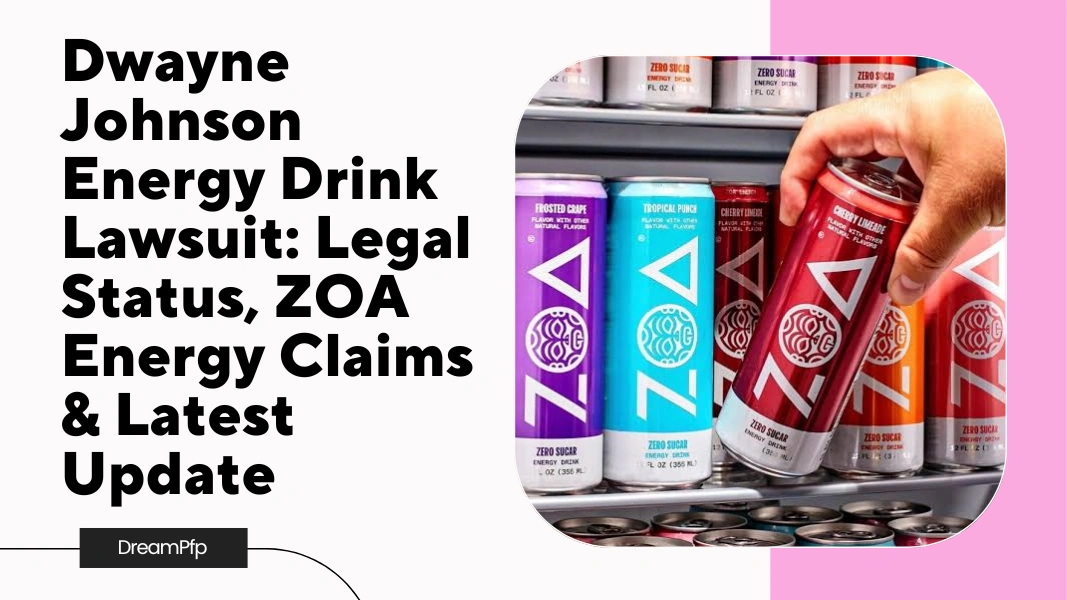
Dwayne Johnson, widely known as “The Rock,” is one of the public faces behind ZOA Energy, a popular energy drink brand launched to compete in the growing functional beverage market. As interest in the Dwayne Johnson Energy Drink Lawsuit has increased online, many consumers are trying to determine whether the company or its celebrity co-founder is currently involved in any significant legal dispute.
Most people searching this topic want to know whether a lawsuit has been filed, whether consumer complaints have resulted in legal action, and whether any settlement or product recall has been announced. Others are looking for reliable information because social media posts and online discussions often mix verified facts with speculation.
This article explains the current legal status of ZOA Energy, the types of claims that have been discussed publicly, whether any lawsuits or recalls exist, and what consumers should understand before relying on online rumors. Throughout, confirmed information is clearly distinguished from allegations or unverified claims.
Why Are People Searching for the Dwayne Johnson Energy Drink Lawsuit?
Interest in the Dwayne Johnson Energy Drink lawsuit has grown for several reasons. Celebrity-backed products often receive widespread attention, and any rumor involving legal action can spread rapidly across social media platforms, discussion forums, and search engines.
In many cases, users encounter headlines suggesting a lawsuit or controversy without providing supporting evidence. That leads consumers to search for verified information regarding court filings, product safety concerns, recalls, or class action litigation involving ZOA Energy.
Several factors contribute to these searches, including:
- Viral social media posts referencing alleged lawsuits.
- Consumer curiosity about celebrity-owned brands.
- Questions about product ingredients and labeling.
- Searches for possible recalls or settlements.
- General interest in energy drink safety.
At present, much of the online interest appears to stem from public curiosity rather than confirmed court proceedings involving Dwayne Johnson personally. While consumers have raised questions about various aspects of energy drinks in general, searches do not necessarily indicate that an active lawsuit exists.
For that reason, it is important to distinguish between internet speculation and verified legal records before assuming legal action has occurred.
What Is ZOA Energy and Dwayne Johnson’s Role?
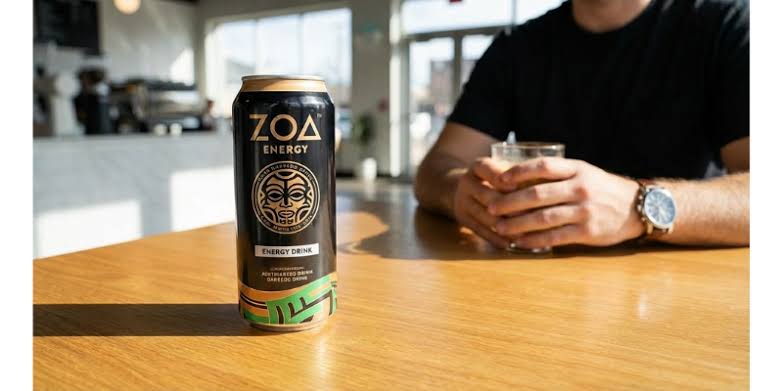
ZOA Energy is an energy drink brand introduced in 2021 by Dwayne Johnson alongside several business partners. The product was developed as a fitness-oriented alternative within the highly competitive energy drink market.
The brand markets beverages containing caffeine, electrolytes, vitamins, and other functional ingredients intended to support energy and focus. Its marketing emphasizes active lifestyles, wellness, and performance rather than traditional high-sugar energy drinks.
Dwayne Johnson serves as one of the company’s founders, investors, and primary brand ambassadors. His public image has played a significant role in promoting ZOA Energy through advertising campaigns, interviews, and social media.
Although consumers frequently associate celebrity founders with a company’s legal issues, the existence of a business dispute does not automatically create personal legal liability for the celebrity involved. Whether an individual is personally named in litigation depends on the facts of a specific case and the legal claims asserted.
As of publicly available information, Dwayne Johnson’s involvement with ZOA Energy remains primarily as a co-founder and promotional figure.
Is There an Active Dwayne Johnson Energy Drink Lawsuit?
Based on publicly available court records and verified legal reporting available at the time of writing, there is no widely recognized active lawsuit specifically targeting Dwayne Johnson over ZOA Energy products.
Many online searches appear to be driven by rumors, misleading headlines, or confusion with lawsuits involving other beverage companies. The energy drink industry has experienced numerous legal disputes over the years, causing consumers to mistakenly assume every popular brand faces similar litigation.
The current legal picture can be summarized below.
| Question | Current Status |
|---|---|
| Active lawsuit against Dwayne Johnson personally | No publicly confirmed major lawsuit |
| Major class action involving ZOA Energy | No widely reported active class action |
| Court-confirmed settlement | None publicly announced |
| Product recall related to lawsuit | No confirmed recall connected to litigation |
This does not mean legal claims could never arise in the future. Companies regularly face disputes involving advertising, labeling, contracts, intellectual property, or consumer protection issues.
However, based on publicly available information, there is no confirmed evidence that Dwayne Johnson personally faces a major lawsuit concerning ZOA Energy at this time.
Consumers should rely on verified court filings, official announcements, and reputable legal reporting rather than unverified online discussions.
What Is the ZOA Energy Lawsuit About?
Although there is no widely reported lawsuit currently defining the legal status of ZOA Energy, consumers often ask what types of issues could potentially become the subject of legal claims.
Many discussions center on common legal topics that frequently affect food and beverage manufacturers rather than allegations unique to ZOA Energy. These subjects generally involve compliance with consumer protection laws, advertising regulations, and labeling standards.
Marketing and Advertising Claims
Advertising-related lawsuits are common throughout the beverage industry. Companies must ensure that promotional statements are truthful, adequately supported, and not misleading to reasonable consumers.
Potential legal disputes may involve claims concerning:
- Health-related marketing.
- Performance benefits.
- Ingredient representations.
- Nutritional statements.
- Product comparisons.
Importantly, marketing claims become legal issues only when plaintiffs allege violations of applicable consumer protection laws. Simply promoting a product aggressively does not establish legal wrongdoing.
At present, there is no publicly confirmed major lawsuit establishing that ZOA Energy’s advertising violated these standards.
Ingredient Transparency
Consumers increasingly expect clear disclosure regarding ingredients, caffeine content, sweeteners, preservatives, and nutritional information.
Questions sometimes arise about whether beverage labels sufficiently explain what consumers are purchasing. If individuals believe labeling omits material information, they may raise complaints with regulators or pursue legal action where appropriate.
However, public concern over ingredient transparency should not automatically be interpreted as evidence that legal violations occurred.
Regulatory agencies evaluate labeling compliance according to applicable food and beverage laws, and companies generally revise packaging when regulations change or new guidance becomes available.
Consumer Protection Issues
Consumer protection laws prohibit unfair or deceptive business practices in many jurisdictions.
Legal disputes involving beverage companies may include allegations such as:
- Misleading advertising.
- False representations.
- Inaccurate labeling.
- Hidden material information.
- Unfair marketing practices.
To succeed in court, plaintiffs generally must present evidence supporting these allegations rather than relying solely on consumer dissatisfaction.
As of now, there is no widely reported court decision finding ZOA Energy liable for broad consumer protection violations.
Product Labeling Requirements
Food and beverage manufacturers must comply with numerous labeling regulations covering nutritional facts, ingredients, allergen disclosures, serving sizes, and caffeine information where required.
Labeling disputes can arise when consumers believe packaging creates misleading impressions or fails to disclose important details.
Courts evaluating these claims typically examine:
- Applicable federal and state regulations.
- The wording on product packaging.
- Consumer expectations.
- Scientific evidence where relevant.
- Regulatory guidance.
No publicly confirmed litigation has established that ZOA Energy failed to comply with labeling requirements in a manner resulting in a major lawsuit against the company or Dwayne Johnson.
Has ZOA Energy Been Recalled?
Consumers frequently associate lawsuits with product recalls, but the two are not the same. A recall generally occurs when a manufacturer or regulatory authority determines that a product presents a safety concern, contains manufacturing defects, or otherwise fails to meet applicable standards.
Based on publicly available information, there has been no broadly announced nationwide recall of ZOA Energy products connected to an alleged lawsuit involving Dwayne Johnson.
That distinction is important because recalls may occur without lawsuits, and lawsuits may occur without recalls. The existence of one does not automatically establish the other.
If consumers are concerned about any food or beverage product, they should monitor official announcements from regulatory agencies and the manufacturer rather than relying solely on social media posts or viral claims. Official recall notices provide the most reliable information regarding affected products, lot numbers, and recommended consumer actions.
Has a ZOA Energy Lawsuit Settlement Been Reached?
One of the most common questions consumers ask is whether a settlement has already been reached involving ZOA Energy or Dwayne Johnson. Searches for settlement payouts often increase after rumors circulate online, even when no confirmed lawsuit exists.
Based on publicly available information at the time of writing, no widely reported lawsuit settlement involving ZOA Energy or Dwayne Johnson has been announced by a court or through an official company statement.
The current status can be summarized below.
| Topic | Current Status |
|---|---|
| Confirmed lawsuit settlement | No publicly announced settlement |
| Class action payout | None publicly reported |
| Consumer claim form | No active claim process identified |
| Court-approved compensation program | None publicly available |
Consumers should understand that settlement announcements generally follow identifiable legal proceedings. They often include court documents, judicial approval, eligibility requirements, and official claim instructions.
When none of those elements are present, claims about payouts or compensation should be treated cautiously until verified through reliable legal sources.
If future litigation were filed and later resolved, any settlement information would likely become part of the public record.
Could Future Lawsuits Involve ZOA Energy?
Although no major confirmed lawsuit currently defines ZOA Energy’s legal status, that does not mean future litigation is impossible. Like other companies operating in the food and beverage industry, ZOA Energy remains subject to consumer protection laws, advertising regulations, product liability standards, and commercial contract obligations.
Businesses in this sector regularly face legal challenges as products evolve, marketing campaigns expand, and regulatory expectations change.
Potential areas where disputes could arise include:
- Advertising or promotional practices.
- Product labeling requirements.
- Ingredient disclosures.
- Intellectual property disputes.
- Distribution or supplier disagreements.
- Consumer protection investigations.
- Personal injury claims if supported by evidence.
The existence of these potential legal risks does not indicate that ZOA Energy has violated any laws. Rather, they reflect the types of issues that commonly appear across the beverage industry.
Any future lawsuit would depend on the specific facts, applicable law, and evidence presented by the parties involved.
Why Celebrity Brands Often Face Legal Scrutiny
Celebrity-backed companies often receive more public attention than businesses without well-known founders. Because celebrities attract large audiences, news involving their products spreads quickly, whether the information is accurate or not.
Consumers also tend to hold celebrity brands to higher expectations. Marketing messages associated with trusted public figures can receive greater scrutiny from regulators, journalists, competitors, and customers.
Several factors contribute to increased legal attention:
- High-profile advertising campaigns.
- Significant consumer reach.
- Strong public expectations regarding quality.
- Greater media coverage.
- Increased likelihood of online rumors spreading rapidly.
It is important to recognize that celebrity involvement alone does not create legal liability. A founder or spokesperson is not automatically responsible for every legal issue involving a company.
Courts evaluate liability based on applicable law, contractual relationships, corporate structure, and the evidence presented—not simply because a celebrity’s name appears on product packaging.
For consumers, separating the celebrity’s public image from the company’s legal responsibilities helps provide a more accurate understanding of any reported dispute.
What Consumers Should Know Before Believing Online Lawsuit Claims
The internet makes legal information easier to find, but it also makes misinformation easier to spread. Headlines suggesting lawsuits or settlements often attract attention even when they lack supporting evidence.
Before accepting claims about a company or product, consumers should verify whether the information comes from reliable sources such as court filings, regulatory agencies, or official company announcements.
Consider checking for the following before believing a lawsuit claim:
- Verified court records.
- Official press releases.
- Regulatory announcements.
- Reporting from established legal or news organizations.
- Statements issued directly by the company.
Be cautious of warning signs such as:
- Articles without cited sources.
- Social media posts repeating unverified claims.
- Headlines promising large settlements without court documentation.
- Websites encouraging compensation claims without identifying an actual case.
Legal disputes follow formal procedures. If a significant class action or product liability lawsuit exists, there is usually publicly available documentation describing the allegations, court filings, and procedural history.
Until such evidence is available, online discussions should be viewed as unverified commentary rather than confirmed legal fact.
Understanding Energy Drink Lawsuits
Energy drink manufacturers operate in a highly regulated industry where products must comply with food safety laws, advertising regulations, and consumer protection requirements. While most companies never face significant litigation, lawsuits can arise when consumers, competitors, or business partners believe legal obligations have not been met.
Not every complaint becomes a lawsuit, and not every lawsuit results in liability. Courts evaluate each case based on evidence, applicable statutes, expert testimony, and the specific facts presented by both sides.
The following are some of the most common categories of legal disputes involving energy drink companies.
Product Labeling Disputes
Product labeling cases often focus on whether packaging accurately communicates important information to consumers.
These disputes may involve allegations regarding:
- Nutritional content.
- Ingredient disclosures.
- Caffeine amounts.
- Serving sizes.
- Health-related statements.
Courts generally examine whether a reasonable consumer could have been misled and whether the labeling complied with applicable federal and state regulations.
Advertising and Marketing Practices
Marketing-related lawsuits typically concern claims made in advertisements, websites, social media campaigns, or product packaging.
Plaintiffs may allege that promotional statements overstated product benefits or omitted important qualifying information. In response, companies often argue that their advertising complies with legal standards and accurately reflects available evidence.
Each dispute depends on the wording of the advertisements, the supporting documentation, and the applicable consumer protection laws.
Consumer Injury Claims
Some lawsuits involve allegations that a consumer suffered illness or injury after using an energy drink.
To succeed, plaintiffs generally must establish more than a temporal connection between consuming the product and experiencing symptoms. Courts often require medical evidence, expert opinions, and proof that the product caused the alleged harm.
Because these cases are highly fact-specific, outcomes vary significantly depending on the available evidence.
Intellectual Property Disputes
Energy drink companies may also become involved in trademark, copyright, or patent disputes.
Examples include disagreements over:
- Brand names.
- Logos.
- Packaging designs.
- Marketing materials.
- Proprietary formulations.
These cases usually involve protecting business assets rather than allegations concerning product safety.
Business and Contract Disagreements
Commercial litigation is another common source of lawsuits within the beverage industry.
Disputes may arise between manufacturers, distributors, suppliers, investors, or licensing partners over contractual obligations, payment terms, distribution rights, or business performance.
Although these disputes can attract media attention, they often have little direct impact on consumers purchasing the product.
What Happened to Dwayne Johnson?
Many people searching for this topic assume that Dwayne Johnson personally became involved in a lawsuit because his name is closely associated with ZOA Energy.
Based on publicly available information, there is no confirmed major lawsuit showing that Dwayne Johnson has personally been sued in connection with ZOA Energy products.
His involvement with the brand continues primarily as a co-founder, investor, and public spokesperson. Like many celebrities who participate in consumer brands, he helps promote the product through advertising and public appearances.
The confusion appears to stem largely from online speculation, generalized concerns about energy drinks, and the tendency for celebrity-related stories to spread quickly across search engines and social media.
Consumers should distinguish between:
- Verified court proceedings.
- Consumer complaints.
- Media speculation.
- Social media rumors.
Without confirmed court filings or official announcements, internet discussions alone should not be viewed as proof of legal wrongdoing.
Latest Dwayne Johnson Energy Drink Lawsuit Update
As of the latest publicly available information, there is no widely reported active lawsuit, court-approved settlement, or nationwide recall directly involving Dwayne Johnson and ZOA Energy.
The current legal picture is summarized below.
| Topic | Latest Public Status |
|---|---|
| Active lawsuit against Dwayne Johnson | No publicly confirmed major case |
| ZOA Energy class action | No widely reported active class action |
| Settlement announced | None publicly confirmed |
| Consumer claim form available | No |
| Nationwide recall linked to litigation | No publicly confirmed recall |
Legal matters can change over time as new lawsuits are filed or existing disputes become public. For that reason, consumers should rely on official court records, regulatory announcements, and credible news reporting for the most accurate updates.
Rumors circulating online should not be treated as evidence unless supported by verified documentation.
How Consumers Can Protect Themselves
Whether purchasing an energy drink or any other consumer product, informed decision-making is the best form of protection.
Consumers can reduce confusion by taking a few practical steps before relying on online claims or making purchasing decisions.
Helpful practices include:
- Read product labels carefully.
- Follow recommended serving guidelines.
- Review official recall announcements when concerns arise.
- Verify legal news through reliable sources.
- Consult healthcare professionals if you have medical questions about caffeine or other ingredients.
- Keep receipts if you believe a product issue may require future documentation.
- Report genuine safety concerns to the appropriate regulatory authorities.
Remaining informed through trustworthy sources helps consumers distinguish between verified legal developments and unsupported internet speculation.
Read: HexClad Lawsuit
Read: McDonald’s 100% Beef Lawsuit
Read: YES Communities Lawsuit
Read: Anthony Mark Haskins Lawsuit QVC
Read: Manny Khoshbin Lawsuit
Read: Kindig-It Lawsuit
Read: Blind Frog Ranch Lawsui
Read: Graveyard Carz Lawsuit
Read: Crepe Erase Lawsuit
Read: Janice Griffith Lawsuit
Frequently Asked Questions
Is there an active Dwayne Johnson Energy Drink lawsuit?
Based on publicly available information, there is no widely reported active lawsuit naming Dwayne Johnson personally in connection with ZOA Energy. Online rumors should not be treated as confirmation without supporting court records or official announcements.
Has ZOA Energy reached a lawsuit settlement?
No. At the time of writing, no publicly confirmed settlement involving a major ZOA Energy lawsuit has been announced. There is also no publicly available claim form or compensation program related to such a settlement.
Has ZOA Energy been recalled?
There is no broadly announced nationwide recall linking ZOA Energy products to an alleged lawsuit. Consumers should always verify recall information through official regulatory agencies or the manufacturer.
Why are people searching for the Dwayne Johnson Energy Drink lawsuit?
Interest appears to be driven primarily by online discussions, celebrity involvement, and general curiosity about energy drink safety rather than a confirmed major legal action involving Dwayne Johnson.
Can celebrity-owned brands face lawsuits?
Yes. Celebrity-backed companies, like any business, may become involved in litigation involving advertising, labeling, contracts, intellectual property, or consumer protection issues. However, each case depends on its own facts, and celebrity ownership alone does not establish liability.
Should I trust social media posts about lawsuits?
Not without verification. Social media often spreads legal rumors before facts are confirmed. Reliable information should come from court records, government agencies, official company statements, or reputable news organizations.
Final Thoughts
Public interest in the Dwayne Johnson Energy Drink Lawsuit reflects how quickly celebrity brands become the focus of online discussion. However, search popularity should not be confused with confirmed legal action.
Based on publicly available information, there is no widely reported major lawsuit, court-approved settlement, or nationwide recall directly involving Dwayne Johnson and ZOA Energy. While consumers may encounter allegations, rumors, or speculation online, those claims should always be distinguished from verified court proceedings and official announcements.
As with any developing legal topic, circumstances can change if new litigation is filed or regulatory actions occur in the future. Until then, the most reliable approach is to rely on credible legal sources, official records, and factual reporting rather than viral headlines. Understanding the difference between allegations and established facts allows consumers to make better-informed decisions while avoiding unnecessary misinformation.
