
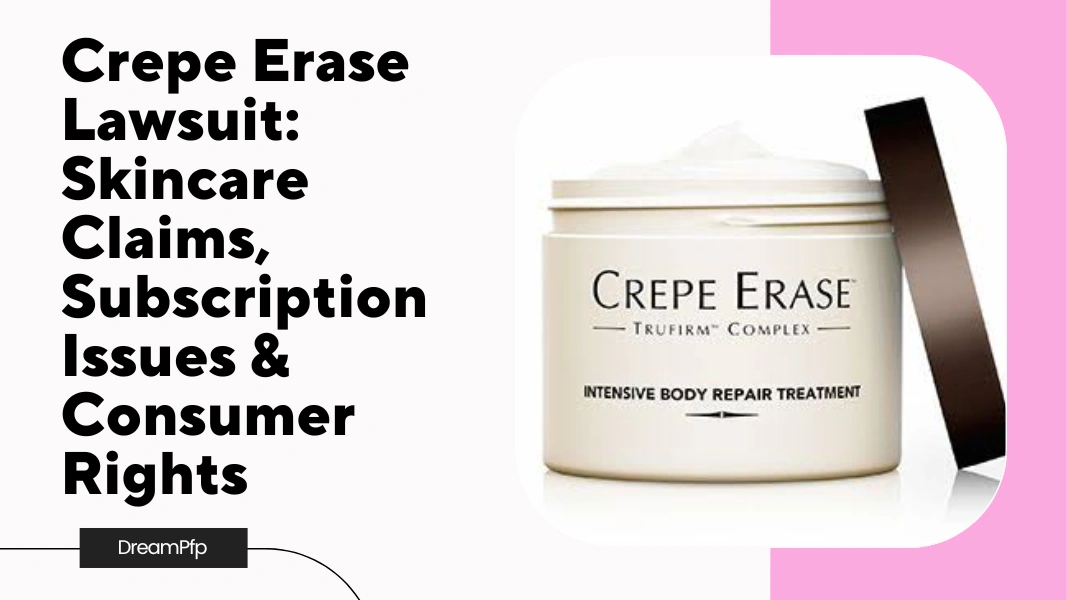
Crepe Erase is a skincare brand known for products marketed toward improving the appearance of aging and crepey-looking skin. The term Crepe Erase lawsuit has gained attention as consumers search for information about complaints, legal claims, advertising concerns, and the company’s current legal status.
Many people looking into this topic want to know whether a lawsuit was officially filed, whether customers can receive compensation, and if any settlement or claim process exists. Online discussions have raised questions about product results, marketing statements, subscriptions, and customer experiences.
This article explains the available information surrounding Crepe Erase complaints and legal concerns. It separates confirmed facts from allegations and provides a balanced overview of what consumers should know before making decisions.
What Is the Crepe Erase Lawsuit About?

The phrase “Crepe Erase lawsuit” is commonly searched by consumers who want to understand whether the skincare brand has faced legal action related to its products or marketing practices. Interest in the topic appears to come from questions about product effectiveness, advertising claims, and customer experiences shared online.
At this time, publicly available information does not indicate a major confirmed class action lawsuit or court judgment against Crepe Erase involving widespread consumer damages. However, consumer complaints and discussions about skincare products can sometimes lead people to search for possible legal issues.
Legal complaints can involve different areas, including advertising practices, product representations, subscription policies, or customer service experiences. A complaint alone does not prove wrongdoing, and allegations must generally be supported through evidence and legal proceedings.
Consumers researching this topic should distinguish between:
| Issue | Meaning |
|---|---|
| Consumer complaints | Individual customer concerns or negative experiences |
| Legal claims | Formal allegations made through legal processes |
| Lawsuit | A court case involving specific parties and claims |
| Settlement | An agreement resolving a legal dispute |
Understanding this difference helps avoid confusion between online criticism and an actual legal case.
Why Did Consumers Raise Concerns?
Consumer concerns surrounding Crepe Erase appear to focus mainly on expectations about product performance, marketing messages, and customer experiences. Skincare products often receive mixed reviews because results can vary depending on factors such as skin type, age, usage habits, and individual expectations.
Some customers have reported dissatisfaction when products did not produce the visible changes they expected. These experiences may lead consumers to question whether advertisements accurately describe realistic outcomes.
Common concerns discussed by some customers include:
- Results not matching personal expectations
- Questions about advertising claims
- Difficulty understanding subscription terms
- Issues related to recurring orders or billing
- Customer service frustrations
However, negative reviews or complaints do not automatically establish that a company violated consumer protection laws. Regulatory agencies and courts typically examine evidence, marketing materials, contracts, and customer experiences before determining whether legal violations occurred.
For consumers, the key issue is whether promotional statements were misleading, whether important information was properly disclosed, and whether customers received what was promised.
How Advertising Became the Main Focus
Advertising is often a major area of attention in consumer product disputes, especially in industries such as skincare and beauty. Companies frequently highlight potential benefits, but legal questions can arise when consumers believe marketing messages create unrealistic expectations.
Crepe Erase products have been promoted around improving the appearance of crepey skin, wrinkles, and signs associated with aging. Like many beauty products, the effectiveness of such products can depend on individual circumstances and the difference between cosmetic improvement and medical treatment.
Consumer protection laws generally focus on whether advertising is truthful, accurate, and not misleading. A company may face scrutiny if claims suggest results that are unsupported by evidence or if important limitations are not clearly communicated.
Questions consumers often consider include:
- Were product benefits described accurately?
- Were before-and-after results representative?
- Were limitations explained clearly?
- Did advertisements create unrealistic expectations?
These questions are common in many beauty industry disputes. A marketing complaint becomes a legal matter only when supported by formal allegations, regulatory action, or court proceedings.
Crepe Erase Lawsuit 2021 Explained
Searches for the Crepe Erase lawsuit in 2021 appear to be connected to consumer interest about whether the brand faced legal action during that period. Many online searches for product lawsuits are triggered by customer discussions, reviews, or concerns rather than confirmed court filings.
Publicly available information does not show a widely reported Crepe Erase class action settlement or major lawsuit judgment from 2021. Without verified court records or official announcements, claims about a confirmed lawsuit should be treated carefully.
Consumers researching older legal claims should review reliable sources, including:
- Court records
- Government consumer protection databases
- Official company statements
- Verified legal announcements
Online posts and discussion forums may provide insight into customer experiences, but they do not always represent confirmed legal facts.
The legal status of any consumer product issue depends on documented filings, evidence, and decisions made through proper legal channels.
What Allegations Were Raised?
The concerns associated with Crepe Erase have mainly focused on allegations involving product advertising, customer expectations, and purchasing experiences. Some consumers have questioned whether promotional messages accurately represented the results that customers could reasonably expect from using the products.
Reported complaints in the skincare industry often involve claims that products did not provide the improvements shown in advertisements or testimonials. However, dissatisfaction with a product does not automatically establish that a company violated consumer protection laws.
Some of the issues discussed by consumers include:
- Claims that product benefits appeared stronger in advertisements than in personal experiences
- Concerns about whether before-and-after images represented typical results
- Questions about ingredient effectiveness and product performance
- Complaints involving purchasing or subscription experiences
Legal claims related to advertising generally require evidence showing that statements were misleading, unsupported, or likely to influence purchasing decisions unfairly. Allegations alone do not determine legal responsibility.
Consumers reviewing these types of disputes should consider both sides of the issue. A product may receive negative reviews from some buyers while other customers report satisfactory experiences.
Were Safety Issues Part of the Lawsuit?
Questions about product safety are common whenever consumers search for a skincare lawsuit. However, concerns about Crepe Erase have generally centered more around advertising, product expectations, and customer experiences rather than confirmed reports of widespread safety problems.
Cosmetic products are regulated differently from medications. A skincare product typically makes appearance-related claims rather than treating or curing medical conditions. Legal concerns often focus on whether marketing accurately describes those cosmetic benefits.
There is a difference between:
| Concern | Explanation |
|---|---|
| Safety issue | A claim that a product caused physical harm or injury |
| Effectiveness complaint | A claim that the product did not deliver expected results |
| Advertising concern | A claim that marketing statements may have been misleading |
Consumers who experience irritation, allergic reactions, or other health concerns should document their experience and consult appropriate professionals. Personal reports may be important to regulators, but they do not automatically establish legal liability.
Understanding Crepe Erase Products
Crepe Erase is a skincare line designed to address the appearance of crepey skin, dryness, fine lines, and visible signs of aging. The products are marketed as cosmetic solutions intended to improve how skin looks and feels.
The brand has been sold through direct marketing channels, including online promotions and product offers. This type of sales approach is common among beauty companies because it allows brands to reach consumers directly through advertisements and digital platforms.
Some consumers searching for legal information are actually trying to understand the difference between marketing promises and realistic skincare expectations. Cosmetic products can improve appearance, but results vary widely between individuals.
The legal discussion surrounding skincare products usually depends on whether advertisements accurately communicate limitations and whether consumers receive clear information before purchasing.
What Ingredients Are Used in Crepe Erase?
Crepe Erase products contain skincare ingredients commonly used in moisturizing and anti-aging body care products. These formulas have included ingredients intended to support hydration, improve skin texture, and enhance the appearance of firmness.
Ingredient concerns often arise when consumers compare advertised benefits with scientific evidence behind specific formulas. In legal disputes involving skincare, the question is usually not whether an ingredient exists, but whether the overall marketing message creates a misleading impression.
Consumers researching Crepe Erase products may look at:
- Ingredient lists provided on product packaging
- Manufacturer descriptions
- Customer experiences
- Independent skincare information
The presence of certain ingredients does not guarantee identical results for every user. Factors such as skin condition, age, routine, and consistency of use can affect outcomes.
A legal claim involving ingredients would generally require evidence that product information or advertising was inaccurate, incomplete, or misleading.
What Do Customer Reviews Show?
Customer reviews about Crepe Erase show a mixture of experiences. Some users report being satisfied with the product’s moisturizing effects and appearance-related improvements, while others state that the results did not meet their expectations.
Online reviews can provide insight into common consumer experiences, but they are not the same as verified legal findings. Individual reviews represent personal opinions and may differ based on expectations and circumstances.
Common themes found in customer discussions include:
- Opinions about product effectiveness
- Comments about pricing
- Experiences with ordering processes
- Feedback about customer support
Negative reviews may contribute to consumer interest in possible lawsuits, but a pattern of complaints alone does not prove that a company committed unlawful conduct.
When evaluating reviews, consumers should look for consistent information across multiple sources and separate personal dissatisfaction from legally established claims.
Customer Service and Subscription Concerns
Customer service and subscription practices are common areas where consumers raise concerns about direct-to-consumer products. Some buyers researching Crepe Erase have looked into issues related to ordering processes, recurring purchases, billing experiences, and account management.
Subscription-based offers can sometimes create confusion when customers do not fully understand the terms before completing a purchase. Consumer protection laws generally require businesses to provide clear information about recurring charges, cancellation procedures, and important purchasing conditions.
Reported customer concerns in similar situations may involve:
- Difficulty canceling recurring orders
- Confusion about trial offers or promotional pricing
- Unexpected charges after initial purchases
- Delays in refunds or customer support responses
These types of complaints do not necessarily indicate illegal conduct. A legal issue usually depends on whether the company properly disclosed terms and whether consumers were given accurate information before agreeing to a purchase.
Customers who believe they experienced a billing problem should keep records such as order confirmations, emails, receipts, and communication with customer service. Documentation can be important if a consumer later seeks assistance through a payment provider, regulatory agency, or legal process.
Can Consumers Still Buy Crepe Erase?
Crepe Erase products continue to be available through online retail channels, allowing consumers to purchase skincare products from the brand. Availability may change over time depending on product inventory, promotions, and sales platforms.
The existence of consumer complaints does not automatically prevent a company from continuing to sell its products. Businesses generally remain able to operate unless they face regulatory restrictions, court orders, or other legal actions affecting sales.
Before purchasing any skincare product, consumers may want to review:
- Current product descriptions
- Ingredient information
- Return policies
- Subscription terms
- Independent customer feedback
Consumers should also compare marketing statements with realistic expectations. Cosmetic products are typically designed to improve appearance rather than guarantee identical results for every user.
How the Crepe Erase Website and Login Work
The Crepe Erase website provides customers with access to product information, purchasing options, and account-related services. Customers who create accounts may use login features to manage orders, review purchase details, or update account information.
For direct-to-consumer brands, online account systems are an important part of the customer experience. They allow companies to process orders while giving customers tools to manage subscriptions and communication preferences.
Customers using the website should pay attention to:
- Order confirmations
- Subscription details
- Cancellation instructions
- Refund policies
- Account settings
If a consumer believes there is an issue with an online order or account, reviewing the company’s policies and maintaining written records can help resolve disputes more effectively.
Website-related complaints are common across many industries, but they do not necessarily indicate a legal violation unless specific laws or consumer rights are involved.
Has There Been a Settlement?
Based on publicly available information, there is no confirmed major settlement connected to a Crepe Erase lawsuit involving consumer compensation or a class action payout.
Consumers searching for settlement details often want to know whether they qualify for money, whether a claim form exists, or whether they need to take action. A legitimate settlement usually involves official court documents, notices sent to eligible consumers, and a defined claims process.
The current status can be summarized as:
| Question | Current Information |
|---|---|
| Confirmed class action settlement | No publicly confirmed settlement identified |
| Consumer complaints | Reported by some customers |
| Claim form available | No verified public claim process identified |
| Compensation payout | No confirmed payout information available |
If a settlement were announced in the future, eligible consumers would typically receive information through official notices or court-approved settlement websites.
Consumers should be cautious of websites claiming to provide settlement registration unless they can verify the source through official legal records.
Lessons Consumers Can Learn
The discussion surrounding Crepe Erase highlights broader lessons about researching skincare products and understanding consumer rights. Many product disputes begin because customers and companies have different expectations about performance, results, or purchasing terms.
Consumers can reduce potential problems by reviewing product information carefully before buying. Understanding return policies, subscription conditions, and realistic product claims can help prevent misunderstandings.
Important steps consumers can take include:
- Reading full product descriptions before purchasing
- Checking recurring billing terms
- Saving receipts and order confirmations
- Reviewing multiple customer experiences
- Reporting serious concerns through appropriate channels
Legal disputes involving consumer products require evidence, documented claims, and proper legal procedures. Online discussions may raise awareness, but they are not a substitute for official court findings.
Read: Fischer Homes Lawsuit
Read: Sierra Mist Trademark Lawsuit
Read: Yellow Freight Lawsuit
Read: Breo Ellipta Lawsuit
Read: 100 Day Dream Home Lawsuit
Read: Mallinckrodt Adderall Lawsuit
Read: Method Body Wash Lawsuit
Read: What Does Sustained Mean in Court?
Read: Emuaid Lawsuit
Read: Bravenly Global Lawsuit
Frequently Asked Questions
Is there a Crepe Erase lawsuit?
There is no publicly confirmed major Crepe Erase lawsuit or class action settlement currently identified. Some consumers have discussed complaints and concerns online, but complaints alone do not establish that a legal violation occurred.
What complaints have consumers reported about Crepe Erase?
Some consumers have discussed concerns involving product expectations, advertising claims, subscription experiences, and customer service interactions. Individual reviews represent personal experiences and do not necessarily prove wrongdoing by the company.
Has Crepe Erase reached a settlement with customers?
No confirmed consumer settlement or compensation program has been publicly announced. A settlement would generally involve official court approval, legal notices, and information explaining who qualifies and how to file a claim.
Can consumers receive compensation from Crepe Erase?
At this time, there is no verified compensation program related to a Crepe Erase lawsuit. Consumers who believe they experienced a financial or consumer issue should keep documentation and explore available complaint or legal channels.
Are Crepe Erase products considered unsafe?
There is no confirmed public information showing that Crepe Erase products are subject to a widespread safety-related legal action. Consumers with personal reactions or concerns should seek appropriate guidance and report serious issues through proper channels.
Final Thoughts
The Crepe Erase lawsuit topic appears to be driven mainly by consumer searches about complaints, advertising concerns, product expectations, and purchasing experiences. While some customers have shared negative feedback, publicly available information does not confirm a major class action lawsuit, settlement, or compensation program involving the brand.
Consumers should separate online discussions and personal reviews from verified legal developments. A lawsuit requires formal filings, evidence, and court proceedings before responsibility can be determined.
Anyone researching Crepe Erase products should review available information carefully, understand purchase terms, and keep records of transactions. Legal outcomes depend on documented facts, applicable laws, and decisions made through official legal processes.
