

Janice Griffith is a public figure whose name became connected with a widely discussed legal dispute following an incident that reportedly involved questions of responsibility, safety, and personal injury claims. The Janice Griffith Lawsuit has attracted attention because of the legal issues surrounding the event and the broader questions it raised.
People searching for information about the case often want to understand whether a lawsuit was filed, who was involved, what claims were made, and whether any settlement or court decision followed. Online discussions have created additional interest, but not all information shared publicly has been verified.
This article explains the background of the dispute, the reported legal arguments, responses from involved parties, and the current publicly available understanding of the case. It separates confirmed information from allegations and speculation to provide a clearer legal overview.
How the Incident Led to a Lawsuit
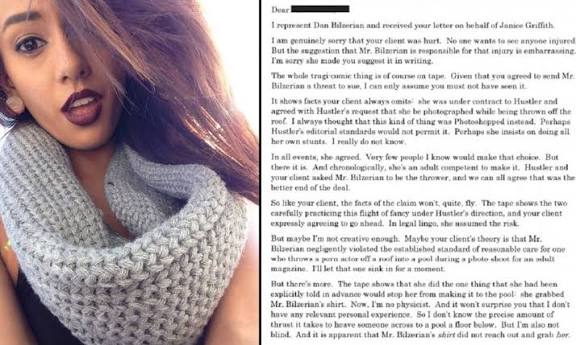
The reported dispute began after an incident involving Janice Griffith that allegedly resulted in legal action and public discussion. The case gained attention because it involved questions about whether certain parties could be held responsible for injuries or damages connected to the event.
According to reports surrounding the matter, the lawsuit focused on issues of responsibility, safety expectations, and whether proper precautions were taken. In personal injury cases, courts generally examine factors such as negligence, risk awareness, agreements between parties, and whether reasonable steps were taken to prevent harm.
The legal significance of the incident was not only about what happened but also about how responsibility should be assigned. Many personal injury lawsuits involve disagreements between plaintiffs and defendants regarding who contributed to the situation and whether compensation is justified.
It is important to distinguish between allegations made in legal claims and facts proven through court decisions. A lawsuit represents one party’s claims, while the final outcome depends on evidence, legal arguments, and judicial findings.
Who Was Named in the Lawsuit?
The parties involved in a lawsuit are typically identified through court filings and official legal documents. In this case, public discussions have focused on Janice Griffith and other individuals or entities allegedly connected to the incident.
The defendants in a personal injury lawsuit may include people, companies, event organizers, property owners, or other parties who are believed to have contributed to the circumstances leading to the injury. However, being named in a lawsuit does not mean a defendant has been found legally responsible.
A legal complaint only outlines the plaintiff’s position and the reasons they believe another party should be held liable. Defendants generally have the opportunity to respond, challenge the allegations, and present their own evidence.
Because online sources sometimes repeat incomplete details, readers should rely on verified court information rather than assuming every claim shared online represents an established fact.
| Legal Element | Explanation |
|---|---|
| Plaintiff | The person bringing the legal claim |
| Defendant | The person or entity responding to the claim |
| Allegations | Claims made by the plaintiff that must be proven |
| Court Outcome | The final decision or resolution, if available |
What Were the Main Legal Claims?
The legal claims connected with the dispute reportedly involved questions commonly seen in personal injury litigation. These types of cases often examine whether another party acted negligently or failed to take reasonable steps to reduce risks.
Potential legal arguments in similar cases may include:
- Negligence claims: Alleging that a person or organization failed to act with reasonable care.
- Responsibility disputes: Determining who had control or responsibility over the circumstances.
- Assumption of risk issues: Examining whether the injured party knowingly accepted certain dangers.
- Compensation requests: Seeking damages related to injuries, expenses, or other losses.
The strength of any legal claim depends on evidence presented during legal proceedings. Factors such as witness statements, agreements, safety measures, and expert opinions can influence how courts evaluate responsibility.
Public interest in the case increased because the dispute involved broader legal questions about personal responsibility and whether individuals can seek compensation after participating in activities involving known risks.
Why the Case Became So Well Known
The case received significant attention because it involved a recognizable public figure and raised legal questions that attracted discussion beyond the parties directly involved.
High-profile lawsuits often receive increased visibility when they combine personal injury claims, public interest, and debates about accountability. Social media discussions can further expand attention, although online conversations do not always reflect the complete legal record.
Another reason the dispute became widely discussed was the unusual nature of the circumstances surrounding the incident. Cases involving questions of consent, risk, and responsibility often generate debate because they require courts to balance different legal principles.
Public attention, however, does not determine the legal outcome. Courts evaluate evidence and applicable law rather than popularity or online opinion.
The Central Legal Issue: Assumption of Risk
One of the most important legal concepts connected with this type of dispute is assumption of risk. This principle is commonly examined in personal injury cases where an individual participates in an activity that may involve known dangers.
Assumption of risk does not automatically prevent someone from filing a lawsuit or receiving compensation. Courts usually consider whether the person understood the specific risk involved and whether the other party acted reasonably under the circumstances.
The legal analysis often focuses on several questions:
- Was the risk obvious or predictable?
- Did the injured person knowingly accept that risk?
- Did another party create an unreasonable danger?
- Were proper safety measures followed?
In many personal injury disputes, defendants may argue that the plaintiff voluntarily participated in an activity where certain risks were expected. Plaintiffs, however, may argue that the injury resulted from negligence, unsafe conditions, or actions beyond normal expectations.
The outcome of such arguments depends heavily on the facts of the case, applicable laws, and evidence presented. Assumption of risk is not a simple defense that automatically eliminates liability.
How the Defendants Responded
When defendants face a lawsuit, they typically have the opportunity to respond through legal filings, statements, or court arguments. A defendant’s response may challenge the allegations, dispute responsibility, or argue that the circumstances do not support legal liability.
In cases involving personal injury claims, common defense arguments may include:
- The defendant did not act negligently.
- The injury resulted from an unavoidable accident.
- The plaintiff understood the possible risks involved.
- The claimed damages are disputed or unsupported.
A response from defendants does not necessarily prove that allegations are incorrect. It represents their legal position and forms part of the court process.
Public information about this particular dispute has been limited in some areas, making it important to separate confirmed legal developments from online discussions or assumptions. The legal process depends on documented filings and evidence rather than public speculation.
Did the Case Go to Trial?
Whether a lawsuit reaches trial depends on several factors, including settlement discussions, legal motions, evidence issues, and decisions made by the parties involved.
Many civil lawsuits do not reach a courtroom trial. Instead, parties may resolve disputes through private agreements, dismissals, or other legal procedures before a judge or jury makes a final decision.
A trial generally involves:
- Presentation of evidence by both sides.
- Witness testimony.
- Legal arguments from attorneys.
- A decision by a judge or jury.
If a case does not proceed to trial, it does not necessarily mean that one side won or lost. A lawsuit can end through multiple legal outcomes, including settlement agreements or voluntary dismissal.
Publicly available information should be reviewed carefully before claiming that a case reached a final court judgment.
Was There a Public Settlement?
Settlement information is often one of the most searched aspects of a lawsuit because people want to know whether compensation was awarded or whether a dispute was resolved.
A settlement occurs when parties agree to resolve a legal dispute without continuing through a full trial. These agreements may include financial compensation, confidentiality terms, or other conditions depending on the circumstances.
However, not every lawsuit results in a publicly announced settlement. Some agreements remain private, while others may be documented through court records.
| Question | Status |
|---|---|
| Was a lawsuit discussed publicly? | The dispute received public attention |
| Was a settlement publicly confirmed? | No widely verified public settlement details are available |
| Was compensation publicly announced? | No confirmed payout information has been established |
| Did online discussion continue? | Yes, due to public interest in the matter |
Without official documentation, claims about settlement amounts or financial outcomes should be treated carefully.
Current Status of the Janice Griffith Lawsuit
The current status of the Janice Griffith Lawsuit should be understood through verified legal records rather than online discussions alone.
Information circulating online may include opinions, summaries, or speculation about what happened. However, legal status depends on official court filings, documented agreements, and confirmed statements from involved parties.
For readers researching similar cases, the most reliable sources usually include:
- Court records and official filings.
- Statements from attorneys or involved parties.
- Verified legal databases.
- Government court websites.
A lawsuit’s status can change over time due to appeals, settlements, dismissals, or additional filings. Therefore, older reports may not always reflect the latest legal position.
At this time, readers should be cautious about claims regarding final outcomes unless supported by reliable legal documentation.
Why the Case Still Matters
The significance of the dispute extends beyond the individuals involved because it highlights broader legal questions about responsibility, personal safety, and risk management. Lawsuits involving injuries often influence public discussions about how people, businesses, and organizers should handle situations where potential risks exist.
One important takeaway from cases like this is that legal responsibility is usually determined by specific facts. Courts do not simply decide based on whether an injury occurred. They examine whether someone failed to act reasonably and whether that failure contributed to the harm.
The case also demonstrates why legal disputes involving public figures often receive greater attention. Public interest can increase awareness of legal principles, but it can also create confusion when opinions or incomplete information spread online.
Understanding the difference between allegations and proven facts is essential when reviewing any lawsuit. A claim filed in court represents one side’s position, while a final legal outcome requires evidence and judicial evaluation.
Lessons for Businesses and Event Organizers
The dispute provides general lessons for businesses, event organizers, and individuals responsible for creating safe environments. Although every legal case depends on its own facts, many personal injury lawsuits involve similar concerns about preparation and risk management.
Organizations can reduce legal exposure by taking reasonable preventive measures, including:
- Clearly communicating potential risks to participants.
- Maintaining safe conditions and proper supervision.
- Following industry safety standards.
- Documenting safety procedures and incident responses.
- Reviewing liability concerns with legal professionals when necessary.
Proper planning does not eliminate all risks, but it can help demonstrate that reasonable care was taken. Courts often consider whether responsible parties followed appropriate precautions before an accident occurred.
For businesses and organizers, the case serves as a reminder that safety responsibilities should not be overlooked, especially when activities involve physical risks or public participation.
Public Interest Beyond the Lawsuit
The public attention surrounding the matter shows how modern lawsuits can become widely discussed beyond traditional legal channels. Social media platforms, online forums, and news discussions can significantly influence how people view a dispute.
However, public conversation and legal conclusions are not the same. Online discussions may contain personal opinions, incomplete details, or information that has not been verified through official sources.
Interest in cases involving public figures often comes from several factors:
- Curiosity about the people involved.
- Questions about legal responsibility.
- Discussions about safety and consent.
- Interest in possible outcomes or settlements.
For anyone researching a legal dispute, it is important to look beyond headlines and understand the actual legal process. Court decisions are based on evidence, applicable law, and formal proceedings rather than online popularity.
Read: Fischer Homes Lawsuit
Read: Sierra Mist Trademark Lawsuit
Read: Yellow Freight Lawsuit
Read: Breo Ellipta Lawsuit
Read: 100 Day Dream Home Lawsuit
Read: Mallinckrodt Adderall Lawsuit
Read: Method Body Wash Lawsuit
Read: What Does Sustained Mean in Court?
Read: Emuaid Lawsuit
Read: Bravenly Global Lawsuit
Frequently Asked Questions
Is there an official Janice Griffith lawsuit?
Public discussions have referred to a legal dispute involving Janice Griffith, but details should be evaluated through verified legal records. Online reports may contain incomplete information, so readers should rely on confirmed court documents or official statements when available.
What was the main issue involved in the case?
The reported dispute involved questions commonly examined in personal injury lawsuits, including responsibility, safety concerns, and whether certain risks were accepted. The exact legal arguments depend on the claims made and evidence presented during the proceedings.
Was a settlement reached in the Janice Griffith lawsuit?
There are no widely confirmed public details regarding a settlement amount or compensation agreement. Some legal disputes are resolved privately, while others continue through court procedures, so settlement information should only be accepted when supported by reliable sources.
Did the case go to trial?
Publicly available information does not clearly establish a complete trial outcome. Many civil lawsuits end before trial through settlements, dismissals, or other legal resolutions. A confirmed trial result would typically be reflected in official court records.
Can someone be responsible if another person accepted a risk?
Yes, depending on the circumstances. Assumption of risk is only one factor courts consider. A person may still face legal responsibility if they acted negligently or created dangers beyond the risks normally expected.
Where can people find reliable lawsuit information?
The most reliable sources are official court records, government court websites, attorney statements, and verified legal databases. Social media posts and online discussions should be treated carefully because they may not provide complete or accurate legal information.
Final Thoughts
The Janice Griffith lawsuit remains a topic of public interest because it raises important questions about personal injury law, responsibility, and the concept of accepting risks. Like many legal disputes, understanding the case requires separating confirmed information from allegations and online speculation.
A lawsuit alone does not establish that any party was legally responsible. Courts evaluate evidence, arguments from both sides, and applicable laws before reaching conclusions.
For readers researching this matter, the most reliable approach is to focus on verified legal information and avoid relying solely on internet discussions. Legal outcomes depend on documented facts, court decisions, and the specific circumstances of each case.
