
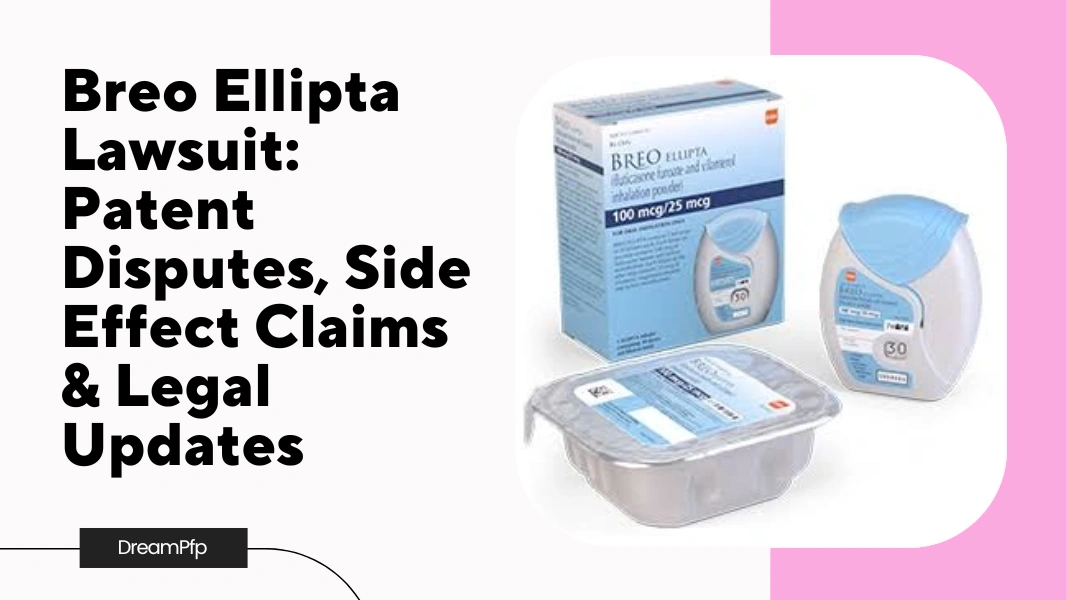
Breo Ellipta is a prescription inhaler used to manage asthma and chronic obstructive pulmonary disease (COPD). As its use has grown, so has public interest in the Breo Ellipta lawsuit, with many patients searching for information about reported side effects, legal claims, and whether any lawsuits or settlements involve the medication.
Many people are trying to determine whether there is an active class action, whether consumers have successfully filed claims, and whether certain health complications have resulted in legal action. Others simply want to separate online rumors from verified court information.
This article explains the current legal status surrounding Breo Ellipta, the different types of lawsuits associated with the drug, how courts evaluate these claims, and what patients should know before relying on lawsuit advertisements or online discussions.
Understanding Why People Search for the Breo Ellipta Lawsuit

Searches for the Breo Ellipta lawsuit have increased as more patients look for reliable information about the medication’s safety profile and legal history. News articles, law firm advertisements, and online discussions often leave consumers wondering whether they may qualify for compensation or whether significant litigation is already underway.
Some people begin researching after experiencing side effects they believe may be connected to the medication. Others encounter advertisements inviting patients to explore legal options and want to understand whether those advertisements reflect active lawsuits or merely investigations by law firms.
It is important to distinguish between several different legal concepts:
- Consumer complaints do not automatically become lawsuits.
- Filing a lawsuit does not establish liability.
- A law firm’s investigation is not the same as an active court case.
- Regulatory warnings do not necessarily prove legal wrongdoing.
- Court decisions depend on evidence presented in each case.
For most readers, the primary questions are straightforward:
- Has Breo Ellipta been the subject of lawsuits?
- Is there a class action?
- Have any settlements been reached?
- Could patients qualify for compensation if they experienced serious injuries?
The answers require looking at publicly available litigation rather than relying solely on advertisements or social media discussions.
What Is Breo Ellipta?
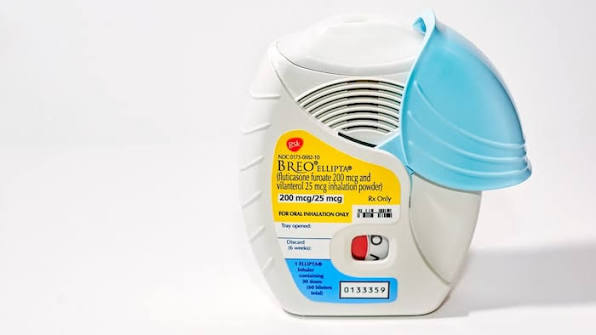
Breo Ellipta is a prescription inhaled medication primarily used to treat chronic obstructive pulmonary disease (COPD) and, in certain patients, asthma. It combines two active ingredients that work together to improve breathing by reducing airway inflammation and helping keep the airways open.
The medication combines:
- Fluticasone furoate (an inhaled corticosteroid)
- Vilanterol (a long-acting beta₂ agonist)
This combination helps reduce inflammation while providing long-lasting bronchodilation, making it easier for patients with chronic respiratory conditions to breathe.
Like many prescription medications, Breo Ellipta underwent clinical testing before receiving regulatory approval. Even after approval, manufacturers remain subject to ongoing safety monitoring through adverse event reporting systems, post-marketing research, and regulatory oversight.
While many patients use Breo Ellipta successfully, every prescription medication carries potential risks. Reported side effects, product labeling, physician guidance, and evolving scientific evidence can all influence whether future legal claims arise.
Because the medication treats long-term conditions, patients often use it for months or years, making questions about long-term safety especially important to consumers researching potential legal issues.
Is There a Breo Ellipta Class Action Lawsuit?
One of the most common questions is whether a nationwide Breo Ellipta class action lawsuit currently exists for patients who experienced side effects.
Based on publicly available information, there is no widely recognized nationwide personal injury class action covering all Breo Ellipta users solely because they used the medication. This does not mean that no lawsuits involving Breo Ellipta have ever existed. Instead, legal disputes involving the drug have generally involved different types of claims, including patent litigation and competition-related cases rather than a broad consumer injury class action.
Personal injury cases involving prescription medications are also less likely to proceed as traditional class actions because every patient’s medical history, dosage, diagnosis, and alleged injuries differ significantly.
Instead, pharmaceutical injury claims often proceed as:
- Individual lawsuits
- Coordinated multidistrict litigation (MDL), when appropriate
- State court proceedings
- Other consolidated litigation, depending on the circumstances
Patients who see advertisements mentioning a Breo Ellipta lawsuit should understand that advertisements frequently seek individuals for legal screening rather than confirming the existence of a certified class action or guaranteed compensation.
Types of Lawsuits Linked to Breo Ellipta
Not every lawsuit involving Breo Ellipta concerns patient injuries. Publicly reported litigation involving pharmaceutical products can involve intellectual property, market competition, regulatory compliance, or consumer-related allegations.
Understanding these distinctions helps explain why different legal sources may describe different “Breo Ellipta lawsuits.”
Patent Litigation
Patent litigation has been among the most visible legal activity involving Breo Ellipta.
These disputes generally involve pharmaceutical manufacturers seeking to protect patents covering the medication or its delivery system. Generic drug manufacturers may challenge those patents or seek approval to market competing versions before patent expiration.
Patent lawsuits typically focus on questions such as:
- Patent validity
- Patent infringement
- Generic drug approval
- Market exclusivity
- Intellectual property rights
These cases usually affect pharmaceutical companies rather than individual patients seeking compensation.
Antitrust and Competition Claims
Competition-related litigation may arise when companies disagree over market practices affecting prescription medications.
These cases can involve allegations regarding delayed generic competition, licensing agreements, or other business practices that allegedly influence drug pricing or market access.
Rather than focusing on personal injuries, antitrust claims generally examine whether business conduct violated competition laws.
Potential issues may include:
- Market exclusivity disputes
- Generic entry delays
- Licensing disagreements
- Competition-related business practices
Such litigation is typically complex and focuses on commercial relationships rather than individual medical outcomes.
Consumer Protection Allegations
Consumer protection allegations differ from patent or competition disputes because they focus on how products are marketed, labeled, or presented to consumers.
In pharmaceutical litigation, plaintiffs may allege issues such as inadequate warnings, misleading marketing, or failures to disclose certain risks. However, each allegation must ultimately be supported by evidence, and filing a complaint does not establish that the manufacturer violated the law.
Courts evaluating consumer protection claims may consider factors including:
- Product labeling approved by regulators
- Marketing materials
- Scientific evidence available at the time
- Communications with healthcare professionals
- Applicable consumer protection laws
As with any legal dispute, allegations remain claims until resolved through settlement, dismissal, or a court decision.
Why Breo Ellipta Side Effects Have Led to Legal Claims
Prescription medications often become the subject of legal claims when patients believe they experienced serious injuries that were not adequately disclosed or when they question whether manufacturers provided sufficient warnings. Breo Ellipta is no exception, although the existence of reported side effects alone does not establish legal liability.
Plaintiffs in pharmaceutical cases typically argue that a medication caused a specific injury, that the manufacturer knew or should have known about the risk, and that stronger warnings or different labeling could have reduced the likelihood of harm. These allegations must be supported by medical records, expert testimony, and scientific evidence.
For Breo Ellipta, legal discussions generally focus on whether certain adverse events are connected to the medication and whether those risks were properly communicated to healthcare providers and patients. Each case depends on its own facts, making individualized evidence essential.
A successful pharmaceutical injury claim often requires proof of:
- Use of the medication as prescribed.
- A diagnosed medical injury.
- Medical evidence linking the injury to the drug.
- Documentation of treatment and damages.
- Evidence supporting the legal theory asserted by the plaintiff.
Simply experiencing a side effect does not automatically create a valid lawsuit. Courts carefully evaluate medical causation before determining whether a claim can proceed.
Reported Breo Ellipta Side Effects
Like most prescription inhalers, Breo Ellipta carries known risks that are described in its prescribing information. Many side effects are mild and manageable, while others may require prompt medical attention.
Frequently reported side effects include:
- Upper respiratory infections
- Headache
- Sore throat
- Oral thrush (fungal infection)
- Hoarseness
- Cough
- Back or joint pain
Healthcare providers also monitor for less common but potentially serious complications, including:
- Pneumonia, particularly in some COPD patients
- Allergic reactions
- Worsening asthma symptoms
- Reduced adrenal function
- Eye conditions such as glaucoma or cataracts
- Changes in bone density with prolonged corticosteroid use
Not every reported event is caused by Breo Ellipta. Many patients have underlying respiratory illnesses or other medical conditions that can complicate diagnosis. Physicians therefore consider the patient’s overall medical history before determining whether the medication contributed to an injury.
Patients should never discontinue a prescribed medication without first consulting their healthcare provider, as abruptly stopping treatment may worsen asthma or COPD symptoms.
Does Breo Ellipta Cause Weight Gain?
Weight gain is one of the most frequently searched questions about Breo Ellipta, but publicly available medical information does not identify it as a common side effect directly associated with the medication.
Because Breo Ellipta contains an inhaled corticosteroid, some patients wonder whether it carries the same risks as long-term oral steroid therapy. Inhaled corticosteroids generally expose the body to much lower systemic levels than oral steroids, which can reduce the likelihood of widespread side effects.
Some individuals nevertheless report weight changes while using the medication. Several factors may contribute to these reports, including:
- Reduced physical activity due to chronic lung disease.
- Other prescription medications.
- Dietary changes.
- Age-related metabolic changes.
- Underlying medical conditions unrelated to Breo Ellipta.
In legal proceedings, reports from individual patients are generally insufficient on their own to establish that a medication causes a particular condition. Courts typically rely on scientific studies, medical experts, and patient-specific evidence when evaluating such claims.
Anyone experiencing unexpected weight changes should discuss the issue with a healthcare professional rather than assuming the medication is the sole cause.
Breo Ellipta Lawsuit Timeline
The legal history surrounding Breo Ellipta includes intellectual property disputes, competition-related litigation, and ongoing public interest in potential injury claims. The timeline below summarizes notable developments rather than every legal filing involving the medication.
| Year | Key Developments |
|---|---|
| 2020 | Continued patent-related litigation and public discussion regarding Breo Ellipta safety. |
| 2021 | Ongoing pharmaceutical intellectual property disputes and increased online legal advertising. |
| 2022 | Continued monitoring of reported side effects and litigation involving pharmaceutical competition. |
| 2023 | Public interest in potential personal injury claims remained active, but no broadly recognized nationwide injury class action emerged. |
| 2024 | Law firms continued reviewing potential claims involving respiratory medications and reported adverse events. |
| 2025 | Publicly available information continued to distinguish patent litigation from consumer injury claims. |
| 2026 | Consumers remain interested in lawsuit updates, settlement status, and whether additional claims may be filed. |
Breo Ellipta Lawsuit 2020
Throughout 2020, legal activity associated with Breo Ellipta primarily involved intellectual property and pharmaceutical business disputes rather than a major nationwide personal injury lawsuit.
Patients also continued reporting adverse events through healthcare and regulatory reporting systems, contributing to ongoing safety monitoring. These reports, however, are not findings of legal fault.
Breo Ellipta Lawsuit 2021
In 2021, pharmaceutical patent matters remained a significant area of litigation involving Breo Ellipta. At the same time, online searches related to possible injury claims increased as more law firms published informational content about prescription medication lawsuits.
Despite growing public interest, there was no broadly recognized nationwide consumer injury class action involving all Breo Ellipta users.
Breo Ellipta Lawsuit 2022
During 2022, legal attention continued to center on patent rights and pharmaceutical competition. Consumers increasingly searched for information regarding potential side effects and whether reported injuries could support legal claims.
Individuals considering legal action generally needed medical documentation and evidence connecting their injuries to the medication rather than relying solely on online reports.
Breo Ellipta Lawsuit 2023
By 2023, public awareness of pharmaceutical litigation had expanded, leading more Breo Ellipta users to investigate possible legal remedies after experiencing health concerns.
Available court records continued to show that different categories of litigation existed, but no universally recognized nationwide personal injury class action had been established specifically for all Breo Ellipta users.
Breo Ellipta Lawsuit 2024
In 2024, legal advertisements continued encouraging patients with serious medical complications to determine whether they might qualify for an individual claim.
Consumers were advised to distinguish between attorney investigations, active lawsuits, multidistrict litigation, and certified class actions, as these terms describe different legal processes.
Breo Ellipta Lawsuit 2025
Throughout 2025, publicly available information continued to reflect ongoing interest in Breo Ellipta litigation without confirming a nationwide personal injury settlement covering all affected patients.
Individuals pursuing legal claims generally needed evidence of injury, medical treatment, and a medically supported causal connection between the medication and the alleged harm.
Breo Ellipta Lawsuit 2026
As of 2026, Breo Ellipta continues to generate searches related to lawsuits, settlements, and side effects. While various legal matters involving the medication or its manufacturer have existed, consumers should rely on verified court records and qualified legal advice rather than social media speculation or marketing advertisements.
Each potential claim remains highly fact-specific and depends on the available medical and legal evidence.
Latest Breo Ellipta Lawsuit Update
The latest publicly available information indicates that interest in the Breo Ellipta lawsuit remains high, particularly among patients researching side effects, potential compensation, and legal eligibility.
At present, there is no publicly confirmed nationwide settlement for all Breo Ellipta users, and publicly available records do not establish a broadly recognized nationwide personal injury class action solely based on use of the medication. Existing litigation involving Breo Ellipta has included patent and competition disputes, while individual injury claims may still arise depending on the circumstances of each patient.
Patients considering legal action should keep copies of:
- Medical records.
- Prescription history.
- Pharmacy receipts.
- Diagnostic test results.
- Hospital records.
- Communications with healthcare providers.
These documents may become important if an attorney evaluates whether sufficient evidence exists to pursue a pharmaceutical injury claim.
Are There Any Breo Ellipta Settlements?
One of the most common questions patients ask is whether a Breo Ellipta settlement has already been reached. Based on publicly available information, there is no confirmed nationwide personal injury settlement covering all Breo Ellipta users.
This distinction is important because pharmaceutical litigation often involves multiple types of legal disputes. A patent settlement between drug manufacturers is different from a settlement involving patients who allege injuries from using a medication.
The current situation can be summarized below:
| Question | Current Status |
|---|---|
| Nationwide personal injury settlement | No publicly confirmed settlement |
| Certified nationwide class action for all users | No broadly recognized class action |
| Individual injury lawsuits | May be filed depending on the facts of each case |
| Patent-related settlements | Separate from personal injury claims |
| Compensation availability | Depends on the outcome of individual legal proceedings |
If future settlements occur, eligibility would likely depend on factors such as:
- The patient’s diagnosis.
- Medical evidence linking the injury to Breo Ellipta.
- The length of medication use.
- Applicable state or federal laws.
- The specific terms of any future settlement agreement.
Patients should be cautious of advertisements implying that compensation is guaranteed. Settlement eligibility is determined by legal criteria rather than marketing materials.
How Courts Evaluate Breo Ellipta Injury Claims
Courts do not decide pharmaceutical cases based solely on reported side effects or online complaints. Instead, judges evaluate whether plaintiffs have sufficient evidence to support the legal claims being asserted.
Each lawsuit is assessed individually, considering medical records, expert testimony, scientific evidence, and the specific circumstances surrounding the patient’s treatment.
Several legal issues commonly arise in pharmaceutical litigation.
Medical Causation
Medical causation is often the most challenging element of a pharmaceutical lawsuit.
A plaintiff generally must demonstrate that Breo Ellipta more likely than not caused or substantially contributed to the alleged injury. Because many users have chronic respiratory illnesses and other health conditions, establishing causation can require extensive expert analysis.
Evidence may include:
- Medical records.
- Physician opinions.
- Diagnostic testing.
- Scientific studies.
- Expert witness testimony.
Without persuasive medical evidence, a claim may be dismissed even if the patient experienced serious health problems.
Failure-to-Warn Allegations
Many prescription drug lawsuits include allegations that a manufacturer failed to provide adequate warnings regarding known or reasonably foreseeable risks.
Plaintiffs may argue that stronger labeling, updated safety information, or additional warnings would have influenced prescribing decisions or informed patients of potential complications.
Manufacturers, in turn, may argue that:
- The product labeling complied with regulatory requirements.
- Known risks were adequately disclosed.
- Healthcare providers were informed through approved prescribing information.
Whether a warning was legally sufficient depends on the evidence presented and the applicable law.
Regulatory Compliance
Regulatory approval by agencies such as the U.S. Food and Drug Administration (FDA) does not automatically prevent lawsuits, nor does it establish liability.
Courts may examine whether:
- Required testing was conducted.
- Labeling complied with regulatory standards.
- Safety updates were made when appropriate.
- Post-marketing reporting obligations were met.
Compliance with regulations is an important factor, but it is only one part of the overall legal analysis.
Patient Medical History
Every patient’s medical history is unique, making pharmaceutical injury cases highly individualized.
Courts frequently review:
- Previous respiratory conditions.
- Smoking history.
- Other medications.
- Existing chronic illnesses.
- Family medical history.
- Alternative explanations for the alleged injury.
These factors help determine whether Breo Ellipta likely caused the condition or whether another explanation is more medically supported.
What Patients Should Know About Breo Ellipta Lawsuit Advertisements
Law firm advertisements often appear when people search for prescription drug lawsuits. These advertisements may invite patients to complete a case evaluation or determine whether they qualify for a potential claim.
Receiving an advertisement does not mean:
- A settlement already exists.
- Compensation is guaranteed.
- Every Breo Ellipta user qualifies.
- The manufacturer has admitted liability.
Instead, these advertisements are typically designed to identify individuals whose circumstances may warrant further legal review.
Before responding to a lawsuit advertisement, patients should:
- Verify the law firm’s credentials.
- Ask whether the firm is investigating or actively litigating claims.
- Request a clear explanation of attorney fees.
- Avoid signing agreements without understanding their terms.
- Continue following medical advice from their healthcare provider.
Taking these steps can help patients make informed decisions while avoiding unrealistic expectations.
Breo Ellipta Reviews vs. Legal Allegations
Online reviews and legal allegations serve different purposes and should not be treated as equivalent sources of information.
Patients often share personal experiences on review websites, forums, and social media. These experiences can provide insight into how individuals perceived the medication, but they do not establish scientific causation or legal liability.
Legal claims, by contrast, require evidence that can withstand judicial scrutiny.
The distinction includes:
- Reviews reflect personal opinions or experiences.
- Allegations represent claims made in legal proceedings.
- Court decisions rely on evidence rather than anecdotal reports.
- Scientific research carries greater weight than isolated online comments.
Consumers researching Breo Ellipta should consider multiple sources, including prescribing information, healthcare professionals, regulatory updates, and verified court records.
Could More Breo Ellipta Lawsuits Be Filed?
Yes. Additional lawsuits could be filed in the future if individuals believe they suffered injuries related to Breo Ellipta and have evidence supporting their claims.
Pharmaceutical litigation often evolves as:
- New scientific studies become available.
- Additional adverse events are reported.
- Courts issue significant rulings.
- Regulatory agencies release updated safety information.
- Attorneys investigate emerging legal theories.
However, the possibility of future litigation does not mean new lawsuits will succeed or result in settlements.
Anyone considering legal action should remember that filing deadlines, known as statutes of limitations, vary by jurisdiction. Waiting too long may affect a person’s ability to pursue a claim.
What to Do If You Experienced Serious Breo Ellipta Side Effects
If you believe you experienced serious complications after using Breo Ellipta, your first priority should always be your health.
Seek prompt medical attention if symptoms appear severe or worsen unexpectedly. A healthcare provider can evaluate whether your condition may be related to the medication or another underlying cause.
If you are considering legal action, practical steps may include:
- Obtain copies of your medical records.
- Keep your prescription and pharmacy history.
- Document symptoms and treatment dates.
- Save medical bills and related expenses.
- Follow your physician’s treatment recommendations.
- Consult a qualified attorney if you have questions about potential legal rights.
Taking these steps does not guarantee a legal claim, but it can help preserve important information should legal questions arise later.
Read: Mallinckrodt Adderall Lawsuit
Read: Method Body Wash Lawsuit
Read: What Does Sustained Mean in Court?
Read: Emuaid Lawsuit
Read: Bravenly Global Lawsuit
Read: The Wellness Company Lawsuit Explained
Read: Dr. Kevin Sadati Lawsuit Explained
Read: Cora Pads Lawsuit Explained
Read: MyChart Lawsuit Settlement
Read: Cora Tampons Lawsuit
Frequently Asked Questions
Is there currently a Breo Ellipta lawsuit?
Yes, Breo Ellipta has been involved in various legal disputes, including patent and competition-related litigation. However, there is no broadly recognized nationwide personal injury class action covering all users based on publicly available information.
Has a Breo Ellipta settlement been announced?
No. There is no publicly confirmed nationwide personal injury settlement for Breo Ellipta users at the time of writing. Future settlements, if any, would depend on the outcome of individual or coordinated legal proceedings.
Can I file a lawsuit if I experienced side effects?
Possibly. Eligibility depends on factors such as the nature of the injury, available medical evidence, and the laws that apply in your jurisdiction. Speaking with a qualified attorney can help determine whether a viable claim exists.
Do online complaints prove that Breo Ellipta is unsafe?
No. Online reviews and complaints reflect personal experiences but do not establish legal liability or scientific causation. Courts rely on medical evidence, expert testimony, and applicable law when evaluating pharmaceutical claims.
Are Breo Ellipta lawsuit advertisements legitimate?
Many advertisements come from law firms seeking to evaluate potential cases. They do not necessarily indicate that a class action exists or that compensation is guaranteed. Patients should carefully review any legal services before signing agreements.
What evidence is usually important in a pharmaceutical injury case?
Medical records, prescription history, physician evaluations, diagnostic tests, and documentation of treatment are often key pieces of evidence. Expert medical testimony may also be necessary to establish causation.
Final Thoughts
The Breo Ellipta lawsuit continues to attract attention as patients seek answers about reported side effects, legal claims, and possible compensation. While publicly available information confirms that Breo Ellipta has been involved in certain legal disputes, those matters have largely included patent and business-related litigation rather than a broadly recognized nationwide personal injury class action.
Patients should distinguish between verified court filings, attorney advertisements, online discussions, and individual consumer reviews. Allegations alone do not establish liability, and every pharmaceutical injury claim depends on medical evidence, expert analysis, and the specific facts of the case.
If you believe you experienced a serious injury after using Breo Ellipta, seek medical advice first and preserve relevant records. For legal questions, consulting a qualified attorney can help you understand your rights based on the most current information and the circumstances of your individual case.
